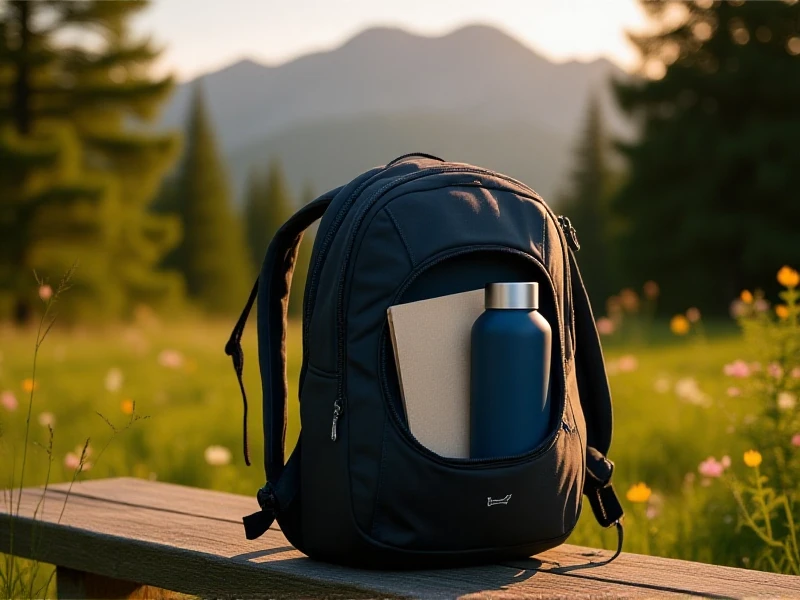
The Ultimate Guide to Choosing Your Perfect Backpack
Here is a 400-word SEO article focusing on the keyword "Backpack" in English:
Selecting the right backpack is more crucial than many realize. Whether you're commuting daily, hiking rugged trails, embarking on a weekend getaway, or navigating a busy university campus, the ideal backpack significantly impacts your comfort, organization, and overall experience. With overwhelming options available, this guide cuts through the noise to help you find your perfect match.
Function Meets Form: Key Considerations
-
Intended Use: This dictates almost everything. A backpack for a professional carries a sleek laptop compartment and minimalist design. A hiking backpack demands durable, weather-resistant materials, ergonomic straps, and ample storage for gear and hydration. Student backpacks prioritize book storage and organizer pockets.
-
Size & Capacity: Measured in liters, capacity should match your typical load. For everyday use (laptop, tablet, essentials), 20-30 liters often suffices. Day hikes might require 30-50 liters, while multi-day treks necessitate larger packs. Always check airline carry-on limits if traveling!
-
Comfort & Fit:
- Shoulder Straps: Padded, contoured straps are vital. Wider straps better distribute weight. Look for adjustable sternum straps and load-lifters on larger packs.
- Hip Belt: Crucial for hiking backpacks over 30 liters. A padded belt transfers significant weight to your hips, reducing shoulder strain.
- Back Panel: Prioritize ventilation (mesh panels) and padding tailored to torso length. Measure your torso length for hiking/weekender packs.
-
Features & Organization:
- Compartments: Dedicated laptop sleeves (check size alignment!), hydration reservoir sleeves, quick-access pockets, document holders, water bottle side pockets, and secure internal pockets add functionality.
- Closures: Zippers (YKK is reliable!), roll-tops, drawstrings. Consider ease of access vs. weather protection.
- Material: Nylon (ripstop is excellent) or polyester offer durability, often with water-resistant coatings. Cordura is exceptionally tough. Check denier ratings – higher numbers are stronger/thicker.
- Extras: Reflective elements for safety, compression straps, gear loops (for hiking packs), lockable zippers (anti-theft), USB charging ports.
Popular Backpack Types Simplified:
- Daily Commute/Office Backpacks: Sleek look, laptop protection, organization pockets. Materials like ballistic nylon are popular.
- Hiking/Outdoor Backpacks: Technical packs with load-bearing frames, ample capacity, robust materials, hydration compatibility, and trekking pole attachments. Look for suspension systems.
- School/College Backpacks: Durable construction, padded laptop compartment, multiple organizers, comfortable for heavy loads. Often more casual styles.
- Anti-Theft Backpacks: Feature hidden zippers, slash-resistant materials, RFID blocking pockets. Ideal for travel or crowded places.
- Fashion Backpacks: Focus on aesthetic appeal alongside basic function.
Finding Your Ideal Backpack: Start by listing your non-negotiables (e.g., size, laptop sleeve, hydration compatibility). Prioritize comfort – try packs on loaded with weight if possible. Read reviews focusing on durability and comfort over time. Remember: investing in a high-quality backpack tailored to your specific needs provides years of reliable service and makes carrying your essentials a breeze. Before confirming, always double-check storage requirements and how the pack feels fully loaded!